
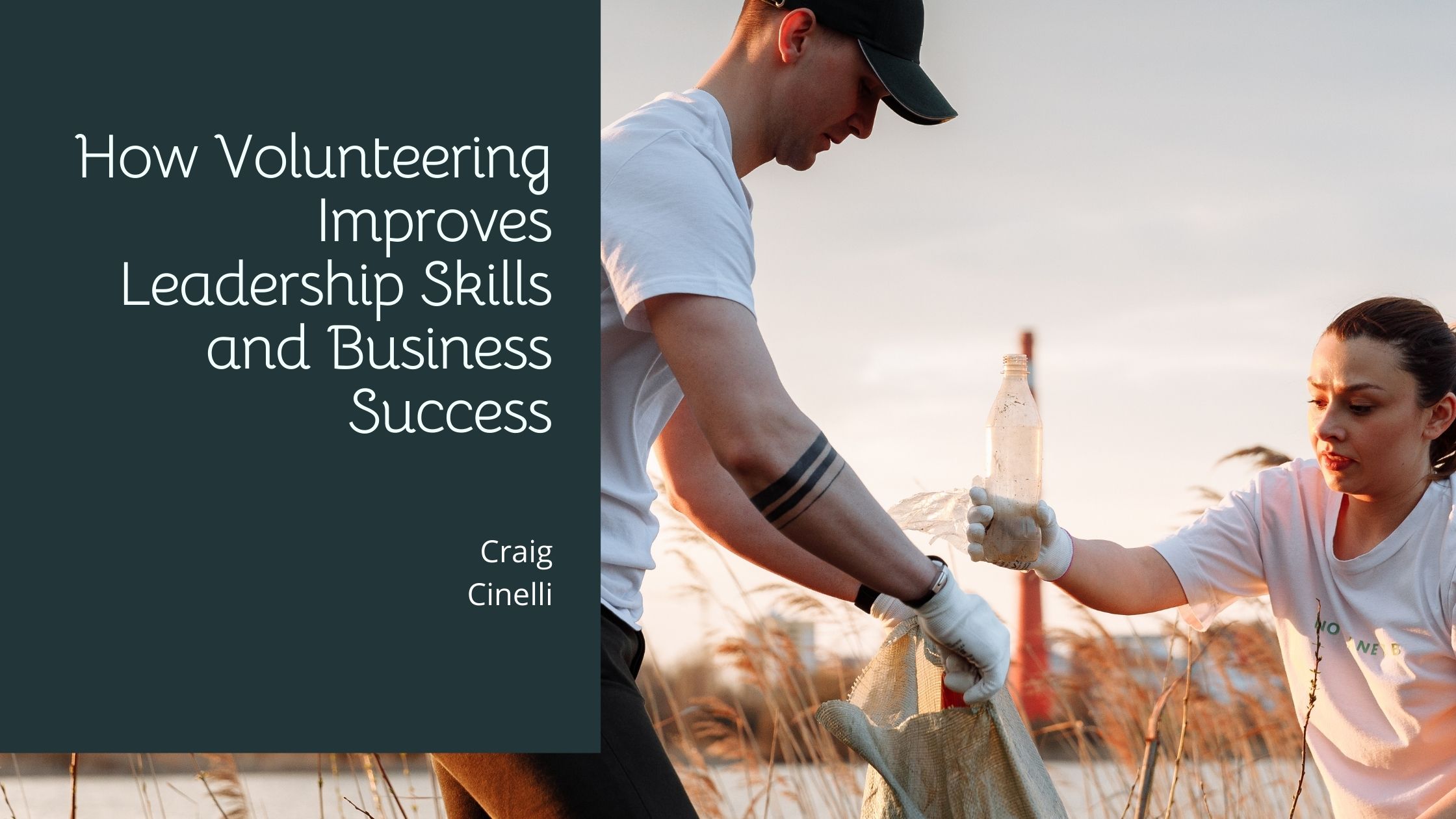
Volunteering is often viewed as a way to give back to the community, but its benefits extend far beyond altruism. For leaders and aspiring professionals, volunteering provides a unique platform to develop essential skills that directly contribute to business success. By stepping into roles that challenge their abilities and broaden their perspectives, individuals can grow into more empathetic, adaptive, and effective leaders.
Developing Key Leadership Skills Through Volunteering
- Enhanced Communication Skills
Volunteering often requires working with diverse groups of people, including team members, stakeholders, and beneficiaries. Effective communication is essential to understanding different perspectives, aligning goals, and achieving outcomes. Leaders who volunteer learn to adapt their communication style to different audiences, whether they’re delivering a motivational speech, guiding a team, or listening to someone’s needs. - Teamwork and Collaboration
Many volunteer opportunities involve collaboration with people from various backgrounds and skill sets. Navigating these dynamics helps leaders develop stronger teamwork abilities and learn how to build consensus in diverse environments. This translates to a more inclusive and cooperative leadership style in business settings. - Problem-Solving and Decision-Making
Volunteering often brings unexpected challenges, from resource constraints to logistical hurdles. Leaders in volunteer roles must think critically and creatively to solve problems with limited resources. These experiences sharpen decision-making skills, which are invaluable in the fast-paced and unpredictable world of business. - Empathy and Emotional Intelligence
At its core, volunteering is about understanding and addressing the needs of others. This fosters empathy, a cornerstone of emotional intelligence, which is crucial for effective leadership. Leaders who can connect with their team members on a human level are better equipped to motivate, inspire, and resolve conflicts. - Time Management and Prioritization
Balancing volunteer responsibilities with work and personal life requires strong time management skills. Volunteering teaches leaders how to prioritize tasks, delegate responsibilities, and stay organized—skills that are equally important for managing business operations.
The Business Benefits of Volunteering
- Strengthened Professional Networks
Volunteering connects leaders with like-minded individuals, nonprofit organizations, and community groups. These connections often lead to valuable partnerships, mentorship opportunities, and collaborations that can benefit their business. Networking in a volunteer setting fosters authentic relationships built on shared values, creating long-term professional opportunities. - Improved Brand Reputation
Companies that encourage their leaders and employees to volunteer demonstrate a commitment to social responsibility. This enhances their reputation among customers, clients, and stakeholders. A strong CSR (corporate social responsibility) strategy can also attract top talent, as more professionals seek to work for organizations with a positive social impact. - Broader Perspective on Leadership
Engaging in volunteer work exposes leaders to new industries, challenges, and communities. This broadens their perspective and helps them approach business challenges with fresh insights and innovative ideas. - Employee Engagement and Morale
Leaders who volunteer often inspire their teams to do the same. This creates a culture of giving back, boosting employee morale and fostering a sense of purpose within the organization. Teams that share common values and participate in community initiatives together are more cohesive and motivated.
Conclusion
Volunteering is a powerful tool for personal and professional growth. It hones essential leadership skills such as communication, empathy, and problem-solving while offering opportunities to build meaningful connections and strengthen brand reputation. For business leaders, volunteering isn’t just a philanthropic gesture—it’s a strategic investment in their development and the success of their organizations. By stepping outside their comfort zones and giving back, leaders can inspire others, drive positive change, and create lasting impact in both their communities and their businesses.